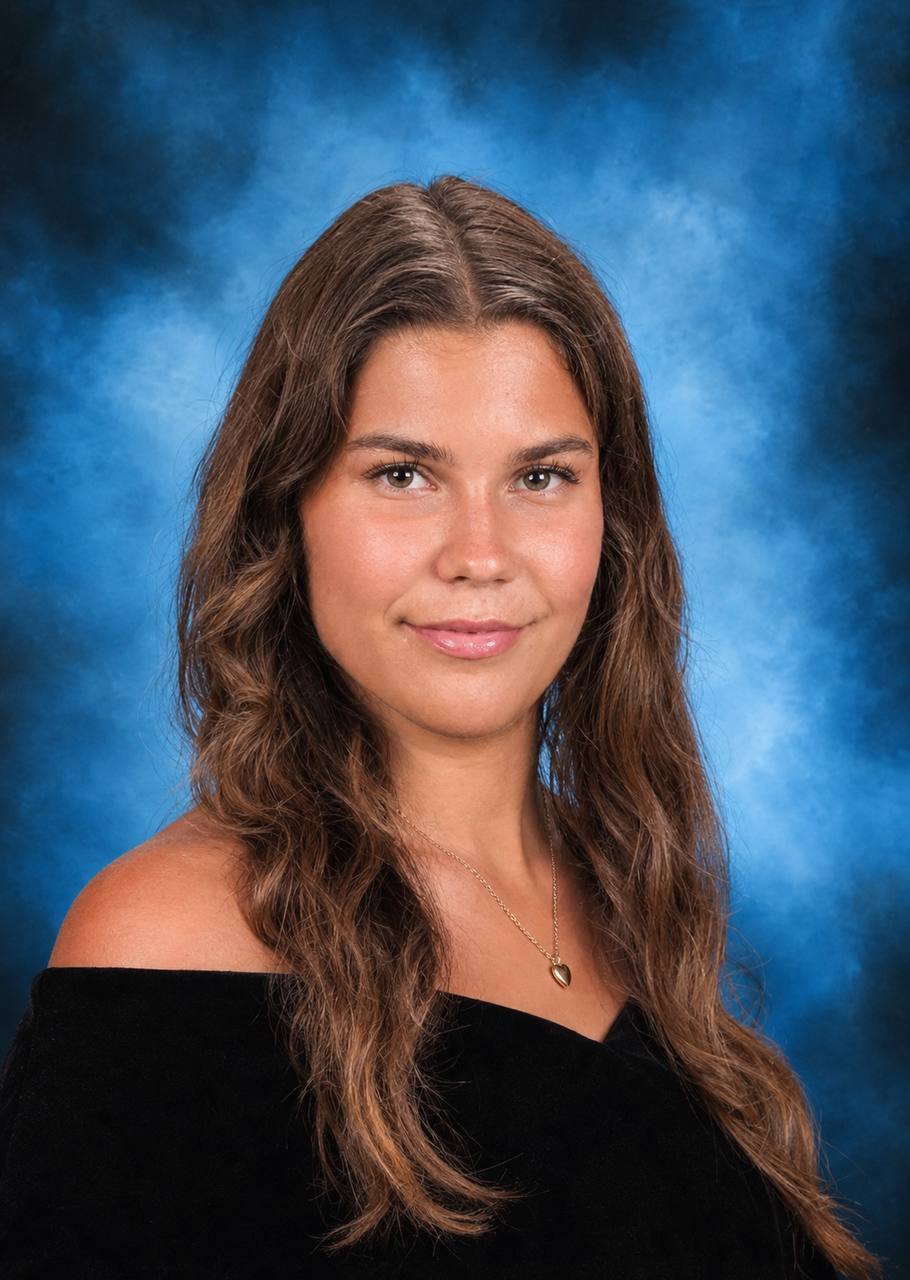
Nikol Rodik
Junior Board Co-Founder at Boca Helps Ukraine
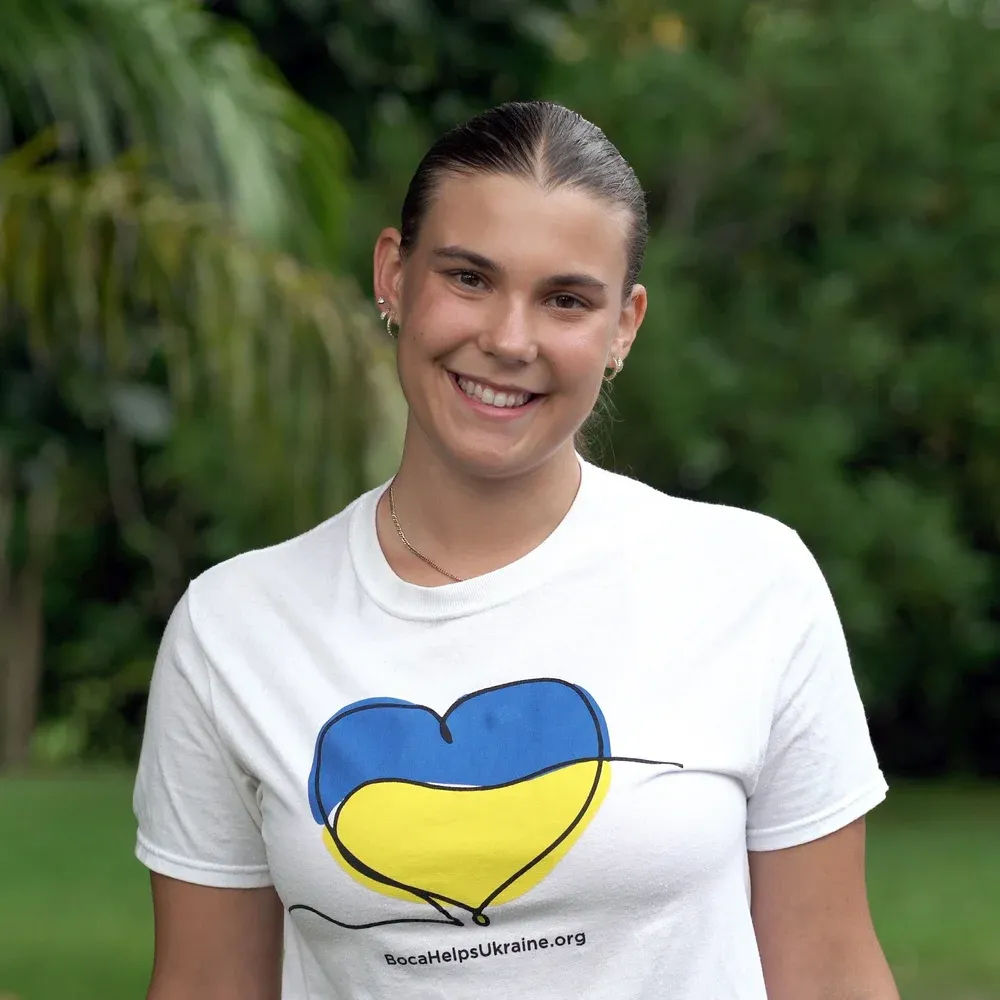
Nikol is a Ukrainian-born student at Spanish River High School whose humanitarian work began in 2022. Through Boca Helps Ukraine, she brings students and community partners together to support Ukrainian children and families. Her work includes founding a school-based refugee support club, organizing aid drives and fundraisers, and helping coordinate camp opportunities in the United States and Ukraine.
Future direction: Human Resource Management
At a Glance
Nikol Rodik at a glance.
A quick look at Nikol’s school, humanitarian service, community role, and intended field of study.
School
Spanish River High School
Boca Raton, Florida
Community Leadership
Junior Board Co-Founder
Boca Helps Ukraine
Engaging students in humanitarian projects.
Humanitarian Service
Since 2022
Supporting Ukrainian children and families through community efforts.
Future Direction
Human Resource Management
Intended college direction, with an interest in people and teams.
Leadership Journey
Connecting students with opportunities to help.
Nikol’s humanitarian work began in 2022, rooted in her own background and her family’s connection to Ukraine.
As a Junior Board Co-Founder at Boca Helps Ukraine, she engages students and community partners in fundraising, aid drives, and initiatives supporting Ukrainian children and families.
Student Engagement
Organizing students
She founded a school-based refugee support club, giving fellow students a way to participate in humanitarian efforts and support children and families affected by the war.
Community Partnerships
Coordinating local support
Nikol organizes humanitarian aid and clothing drives, works with local businesses on fundraising, and brings students into restaurant fundraisers supporting Ukrainian children.
Camp Initiatives
Supporting camp opportunities
Her work includes helping secure summer camp scholarships for Ukrainian refugee children in the United States and coordinating support for rehabilitation camp initiatives in Ukraine.
Spanish River High School
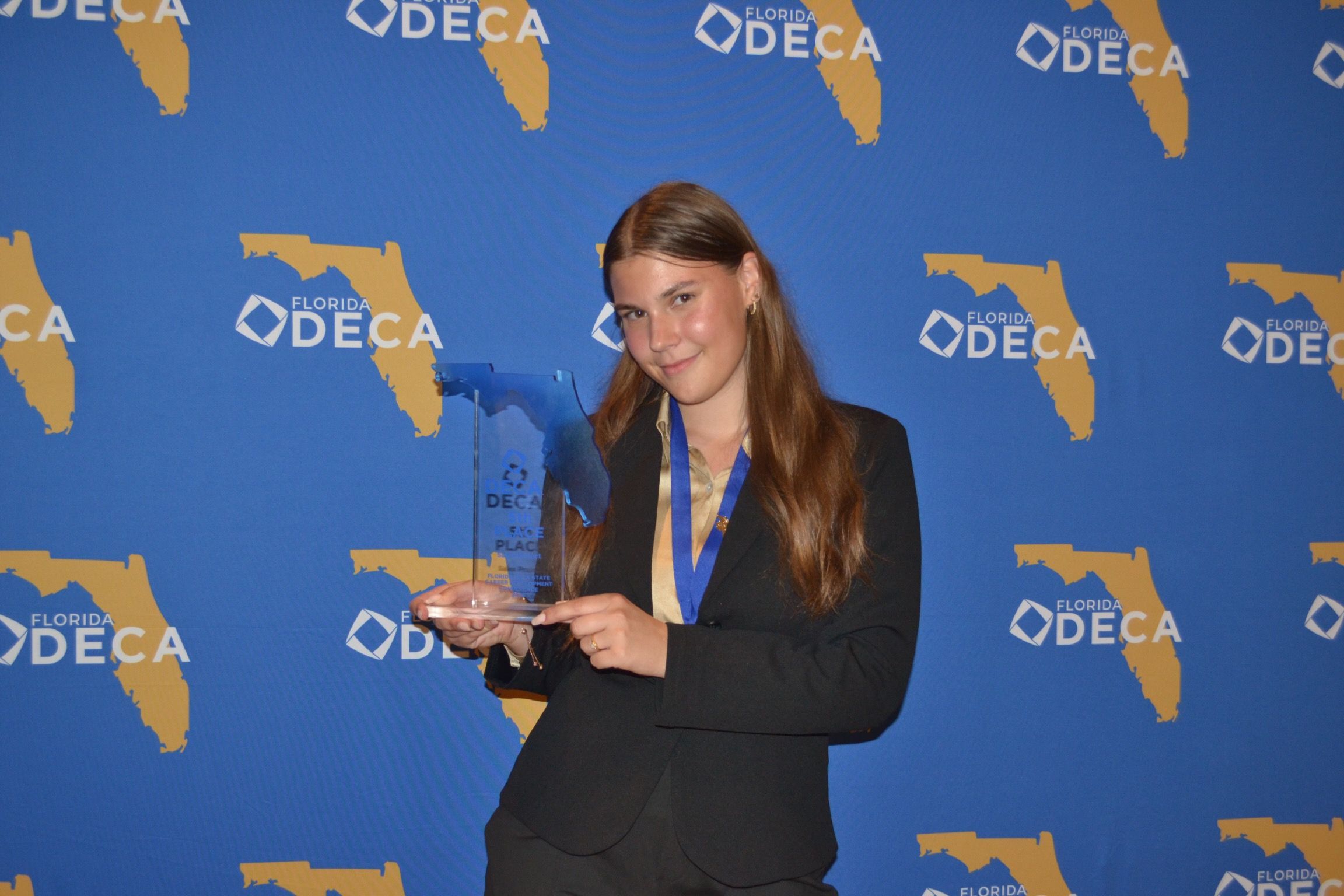
School leadership through DECA.
Nikol’s involvement in Spanish River DECA combines community service, student recruitment, and business competition. Through chapter activities and sales presentations, she has gained experience communicating ideas and engaging with her school community.
Chapter Responsibilities
Community Service & Recruitment
As Community Service Director, Nikol has taken on leadership responsibilities within Spanish River DECA. Her involvement also includes student recruitment, extending her experience in community engagement into a school setting.
Business Competition
Sales & Communication
Through DECA competitions, Nikol has gained experience in sales presentations. This participation complements her chapter responsibilities and connects business education with her interests in people, teamwork, and organizational leadership.
Hands-On Experience
Working with children.
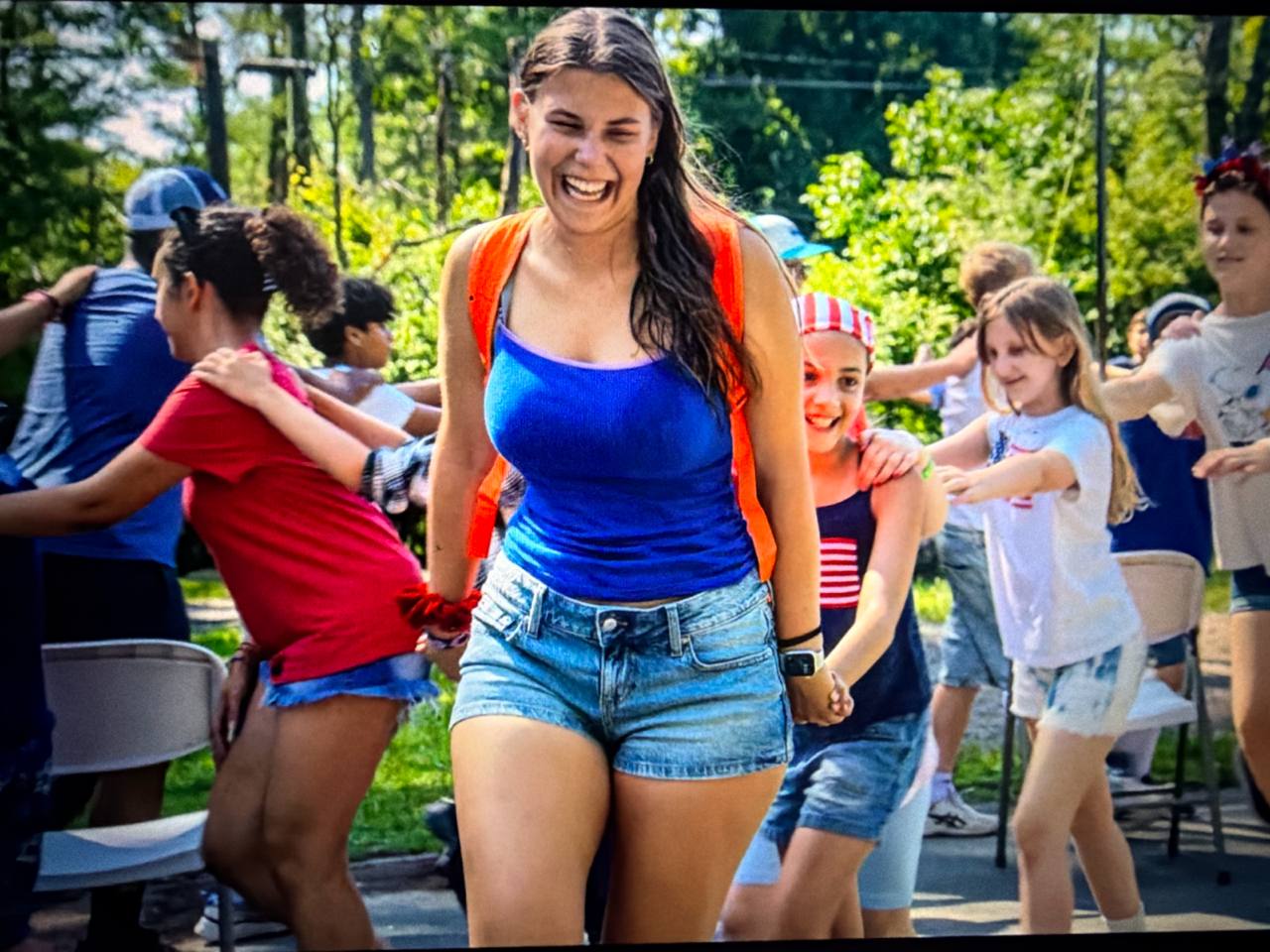
Alongside her humanitarian work, Nikol has worked directly with children in camp and art settings. These experiences bring practical responsibilities in supervision, safety, and creative activities to her interest in supporting people.
YMCA Camp Mason
Camp Counseling & Lifeguarding
Nikol worked as an overnight camp counselor and lifeguard at YMCA Camp Mason. Her experience included child safety, group supervision, teamwork, and youth engagement in a residential camp environment.
These roles gave her practical experience taking responsibility for children’s care and working with others to support daily camp life.
Boca Raton Museum of Art School
Creative Activities With Children
Nikol’s experience at Boca Raton Museum of Art School includes teaching children and organizing creative art activities. This work gives her another setting in which to engage with young people through shared activities and learning.
Her own creative background includes six years at a Christian art school in Ukraine, connecting a long-standing personal interest with her work with children.
Business & People Experience
Learning business through people.
From automotive sales to family events, Nikol’s work involves communicating clearly, coordinating details, and responding to people’s needs.
DriveLine Motors LLC · Since 2025
Automotive sales.
Customer relationships.
Nikol works with customers on sales inquiries, coordinates vehicle deliveries, and helps resolve customer-service issues.
These responsibilities give her practical experience in communication, problem-solving, and sales operations.
- Customer communication
- Delivery coordination
- Problem-solving
Independent Services & Crowdfun.app
Working with families.
Coordinating experiences.
Independent services
Beginning with dog walking in fifth grade, Nikol expanded into babysitting, children’s entertainment, and wedding event assistance, managing client communication and coordinating schedules.
Crowdfun.app · 2026
Nikol contributes to organizing parents and children around event opportunities, gaining experience in community engagement, event coordination, and startup operations.
These experiences inform Nikol’s goal of studying Human Resource Management, with an interest in communication, team coordination, and supporting people within organizations.
Spanish River Sharks
Two varsity sports. A commitment to her teams.
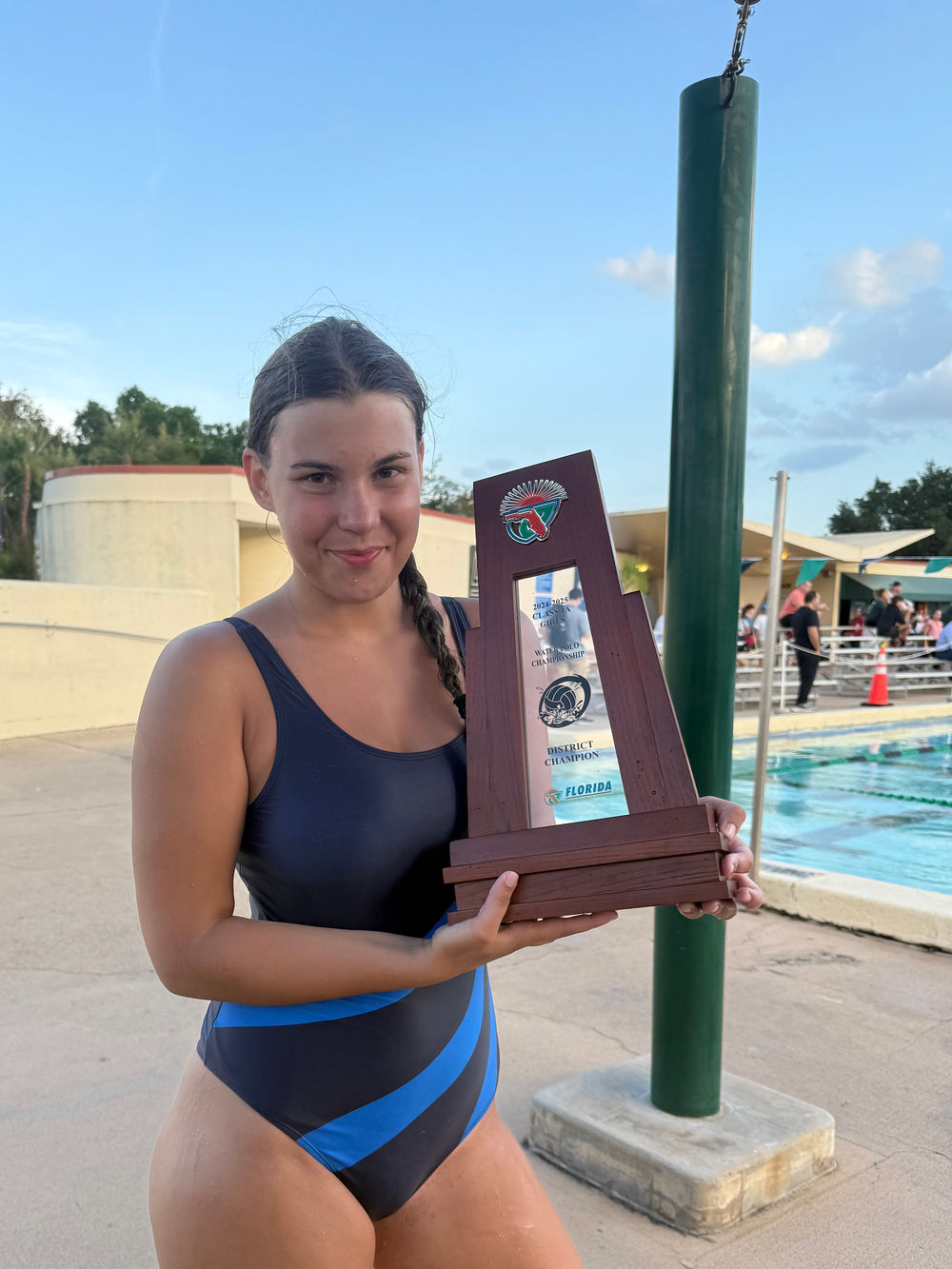
Nikol’s school experience includes girls’ varsity golf and water polo at Spanish River High School in Boca Raton. Both sports bring preparation, discipline, and teamwork into her life alongside humanitarian service and school leadership.

Girls’ Varsity
Golf
Nikol earned a place on the Spanish River Sharks girls’ varsity golf team and participated in official high school matches. Her involvement reflects a sustained commitment to preparation, consistency, and contributing to a school athletic program.
Girls’ Varsity
Water Polo
As a member of Spanish River’s girls’ varsity water polo team, Nikol participated in competitive school athletics with the Sharks. Her experience adds another setting for consistent preparation, teamwork, and working toward shared goals.
In Her Own Words
Five questions with Nikol Rodik.
Nikol shares how her connection to Ukraine shaped her humanitarian work, what she has learned about leadership and business, and why helping people reach their potential has become central to her future.
The Interview
1. How has your personal connection to Ukraine shaped the way you approach humanitarian work and leadership?
Ukraine will always be a part of me. It is where my story began, where my family’s roots are, and where so many of my childhood memories come from. When the war began in 2022, it became impossible for me to see what was happening as something distant or unrelated to my own life. I wanted to do something that would make a difference, especially for children whose lives had been changed by a war they never chose.
Joining Boca Helps Ukraine gave me a way to turn that feeling into action. I realized that even though I could not change everything that was happening, I could help change something for someone. I could bring people together, encourage other students to get involved, and help create opportunities for Ukrainian children who needed support.
This experience has changed the way I understand leadership. I used to think of leadership mainly in terms of taking initiative and making things happen. Now I see it as a responsibility to recognize when someone needs help and to ask what I can do about it. I cannot solve every problem, but I can choose not to look away. That is what continues to motivate me.
2. What has been your most meaningful contribution to Boca Helps Ukraine, and how have you helped turn ideas into real impact?
One of the most meaningful projects I helped launch through Boca Helps Ukraine began with a simple idea: asking students at my school to write cards of support for Ukrainian children. I explained that the cards would be sent to Ukraine with humanitarian aid and read by children who had lost their homes and whose schools had been destroyed by the war. I wanted my classmates to understand that, even from thousands of miles away, they could remind these children that people cared about them.
The response was incredible. Students came forward to participate, and during our first project, we sent approximately 1,000 cards to Ukraine.
But what happened next is something I will never forget.
Ukrainian volunteers began sending me photos and videos of the children receiving and responding to the cards. I remember watching them with tears in my eyes. Some children started learning English so they could record thank-you videos and write back to the students in America. Their messages touched my heart in ways I had not expected.
One child shared that knowing someone cared helped them sleep better because they no longer felt alone. Another carried their card like a small protective charm. Others were moved by the realization that, even across an ocean, children in America were thinking about them and caring about what they were going through.
I had started with the hope that a simple handwritten message might brighten someone's day. Seeing those responses made me realize that it had become something much more meaningful. The cards could not bring back a child's home or restore the school they had lost, but they could offer a reminder that the world had not forgotten them.
That experience changed the way I think about leadership. I learned that an idea does not have to be complicated or expensive to matter. Sometimes, it begins with asking people to do something small and helping them understand why it matters. When people come together with genuine care, even a simple gesture can reach someone in a way you never imagined.
For me, that is what humanitarian work is about: not assuming we can fix everything, but choosing to do what we can—and remembering the real people on the other side of every effort.
3. What have your experiences in business and entrepreneurship taught you about solving problems, building trust, and working with people?
My experiences in business have taught me that behind every transaction, project, or service, there is a person with a need, an expectation, or sometimes a problem they do not know how to solve.
Working in automotive sales has given me the opportunity to communicate with customers, navigate challenging situations, and help coordinate solutions. Through independent work and my involvement in developing a family-events startup Crowdfun.app, I have also learned how much effort goes into turning an idea into something that people can actually use and value.
These experiences have shown me that trust is built in small moments. It is built when you listen instead of making assumptions, when you take someone's concerns seriously, and when you follow through on what you promised. I have learned that the way you treat people matters just as much as the result you are trying to achieve.
I also enjoy the challenge of bringing different people and ideas together. Sometimes the solution is not immediately obvious, and you have to be willing to ask questions, adapt, and try a different approach. Business has helped me become more comfortable with responsibility and uncertainty, and it has made me curious about how organizations can bring out the best in the people who make them work.
4. How have your experiences in athletics and working with children shaped your understanding of teamwork, responsibility, and resilience?
Sports have taught me that growth rarely happens all at once. It comes from showing up, putting in the work, accepting feedback, and continuing even when progress feels slow. Competing has also taught me that you cannot control every outcome, but you can control how prepared you are, how you respond to setbacks, and how much effort you bring to the next opportunity.
Working with children at YMCA Camp Mason has taught me another side of responsibility. When a child depends on you, being responsible is not just about completing a task. It means paying attention, using good judgment, and understanding that your actions can affect someone else's sense of safety and confidence.
I have learned that people do not all need the same kind of encouragement. Some need someone to challenge them; others need patience, reassurance, or simply someone who listens. Learning to recognize those differences has influenced how I approach teamwork and leadership.
Both sports and working with children have helped me understand that strength is not always about being the loudest person or the one who receives the most recognition. Sometimes it is about staying dependable when things become difficult and helping others believe they can keep going, too.
5. Why do you want to pursue Human Resource Management, and how do you hope to use what you learn to make a difference?
Across humanitarian work, business, athletics, and working with children, I keep coming back to the same question: What helps people feel supported, discover their potential, and succeed together?
I have seen how much can happen when people believe in a shared purpose. I have also learned that bringing people together takes more than enthusiasm. It requires listening, understanding different perspectives, building trust, and creating an environment where people feel that their contributions matter.
That is what draws me to Human Resource Management. I want to understand how organizations find and develop talent, build effective teams, resolve conflicts, and create opportunities for people to grow. I am interested in the human side of organizations: how individual strengths can come together to achieve something greater than any one person could accomplish alone.
In the future, I hope to help build workplaces and organizations where people feel respected, supported, and able to reach their potential. My experiences have shown me that success is not only about what an organization achieves, but also about how it treats the people who make that success possible.
I want to build a career that allows me to combine thoughtful leadership with a genuine commitment to people. If my experiences have taught me anything, it is that one opportunity, one supportive person, or one decision to take action can make a difference in someone's life. I hope to spend my future creating more of those opportunities for others.